 AI-First Culture
From Dashboards to Decisions: Turning Real Estate Data into Action
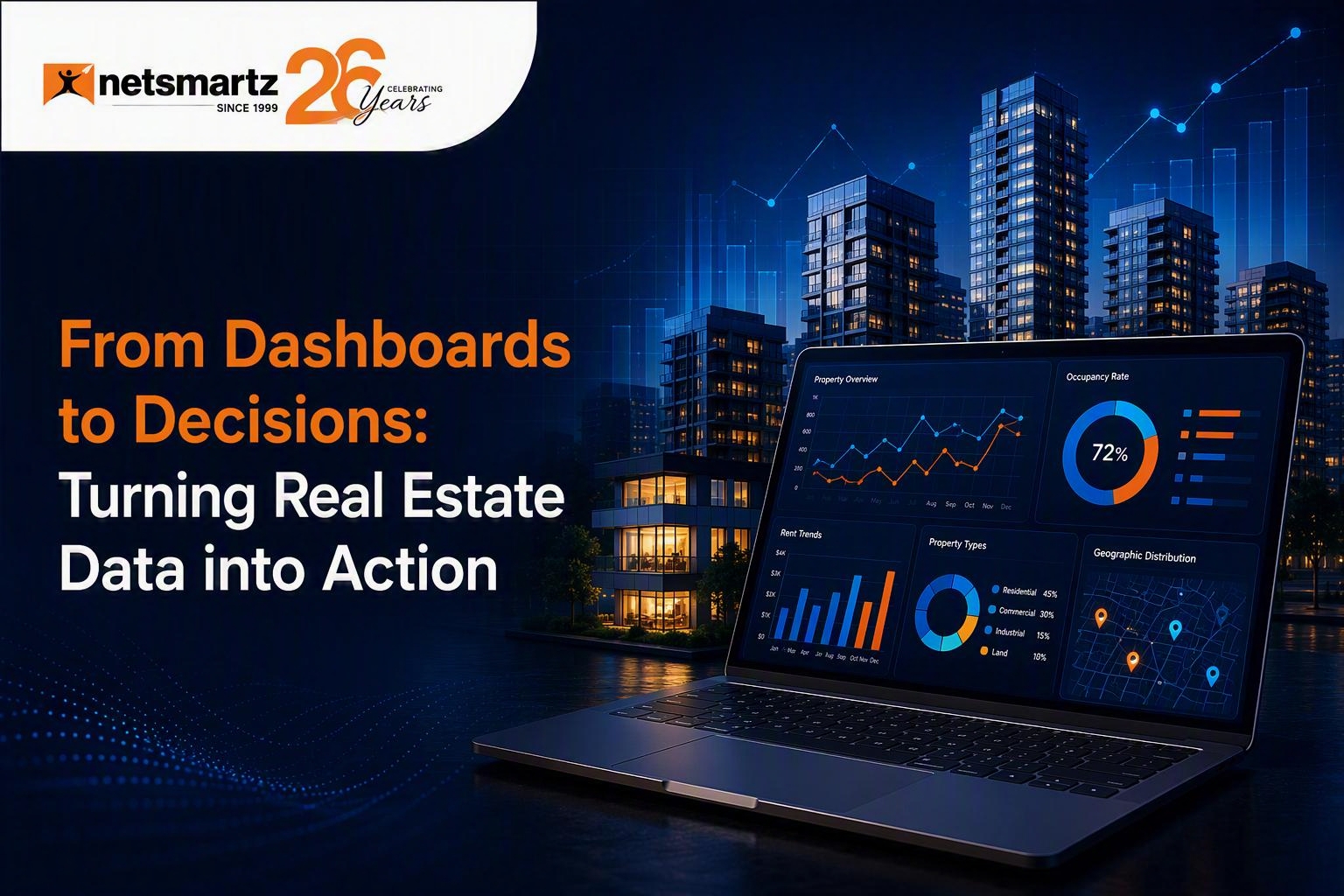
A broker in Dubai today has access to more transaction data than a broker in London or New York had at a comparable stage of market growth. Government portals publish daily pricing signals. Portal platforms track buyer behavior down to the click. Compliance systems log every permit, every registration, every off-plan release.
More than 215,000 properties changed hands in Dubai alone last year, bought by residents and investors from over 200 nationalities, a huge share of it off-plan and moving fast. That scale should make decision making easier. Instead, for many brokerage owners across the UAE and wider GCC, it has made it harder. The gap was never a lack of real estate data analytics MENA brokerages could draw from. It is that dashboards without decision rules do not move anything. Numbers sit in a report, get glanced at once, and get filed away until the next compliance deadline forces someone to open it again.
Why MENA Brokerages Are Data-Rich but Decision-Poor
Government led digitization has quietly rewired how much structured information a broker in this region can access. The Land Department, RERA reporting requirements, and Abu Dhabi's growing data initiatives have pushed brokerages toward reporting standards that many mature markets still lack. The REES initiative, built to standardize how Dubai real estate market data flows across government and private systems, means a mid-sized brokerage today can pull cleaner, more current figures than firms operating in far larger economies.
The trouble is where that data lives. Most of it sits inside compliance filings, portal export sheets, and quarterly summaries built for regulators, not for a Tuesday morning sales meeting. A principal broker can see exactly how many units a developer released last month but has no simple habit of turning that figure into a staffing decision, a pricing conversation, or a shift in ad spend. Data richness without a decision habit just produces a longer report nobody reads twice.
A recent piece from McKinsey makes a similar point: most real estate firms don't struggle with data collection anymore; they struggle with knowing which questions to ask of the data they already have.
The KPIs That Matter Most for a MENA Brokerage
Portal Lead Source ROI
Property Finder, Bayut, and Aqarmap each report cost per lead and lead to viewing ratios differently, and brokers who only check total lead volume miss which channel is actually converting. Tracking cost per closed deal by portal, not just cost per lead, tells you where to shift next month's ad budget instead of renewing spend out of habit.
Off Plan Sales Velocity by Developer and Project
With off-plan sales making up a large share of Dubai's transaction volume, velocity by project tells a brokerage which developer partnerships are worth deepening. A project selling out in weeks versus one sitting for months is a direct signal for where to place agents and marketing effort next quarter.
Nationality and Buyer Origin Mix
Portal analytics and DLD registration data both break down buyer nationality, and that mix shifts by community and price band. A brokerage that tracks this month can decide where multilingual marketing and bilingual agent staffing actually pay off, rather than guessing based on last year's client list.
RERA and DLD Compliance and Permit Turnaround Time
RERA data reporting on permit and registration turnaround is usually treated as a paperwork metric, but slow turnaround often points to an operational bottleneck, whether that's document preparation, staffing, or a broken handoff between sales and admin. Tracking this number monthly turns a compliance report into an early warning system for internal process fixes.
Agent Conversion Rate by Lead Channel
A portal lead, a WhatsApp inquiry, and a referral convert at very different rates, and lumping them together in one conversion number hides where coaching is actually needed. Splitting conversion by channel tells a manager exactly which agents need support on portal follow up versus referral nurturing.
Days to Close for Off Plan Versus Secondary Market
Off plan and secondary deals move on completely different timelines and treating them as one average close time distorts cash flow planning. Tracking the two separately helps a brokerage staff appropriately and forecast commission income with more accuracy across a quarter.
Turning Compliance Reporting into a Decision Habit
RERA and DLD filings tend to follow a familiar pattern. Someone compiles the numbers, submits the report, and the file gets archived until the next deadline. That same data, viewed weekly instead of quarterly, can become the backbone of an internal review habit. A fifteen-minute Monday meeting built around three or four numbers already sitting in a compliance export, the same kind that feeds a broker performance dashboard GCC teams already have access to, costs nothing extra to run and replaces a guessing game with a routine. The shift is not about collecting new data. It is about repurposing what regulators already require brokerages to compile and give it a second job inside the business.
What's Already Working: Regional Examples of Data to Action
This shift is already underway rather than theoretical. Dubai's market has seen daily deal index style signals emerge, giving brokers a live read on pricing and transaction pace rather than a monthly lag. The DLD's REES initiative continues to expand how much standardized data flows between government systems and market participants, and eVoost's AI backed reporting work in Abu Dhabi points to a similar pattern across the capital. PwC's latest real estate outlook echoes this shift, noting that value creation in the sector is becoming more operational and more data led, with the platforms that turn insight into faster decisions best positioned to win. None of this replaces judgment. What it does is shorten the distance between a signal appearing and a brokerage acting on it, which is exactly the gap most firms are still working to close.
What to Look for in a Broker Management Platform's Reporting
The right reporting platform should do more than display data. AI-first platforms like PropSmartz help MENA brokerages turn everyday insights into faster, smarter business decisions by combining real-time reporting, automation, and predictive intelligence into a single Salesforce-native platform.
- Real-time portal integration with Property Finder and Bayut to eliminate manual spreadsheet exports.
- RERA and DLD-aligned reporting use compliance data for both regulatory filings and internal performance tracking.
- Multilingual dashboards to support diverse teams and clients across the GCC.
- Lead source and buyer segmentation with drill-down reporting by nationality, project, and marketing channel.
- Actionable performance dashboards that enable weekly reviews instead of relying on quarterly reports.
When reporting aligns with the way your brokerage operates, data becomes a strategic asset that drives better decisions, stronger performance, and sustainable growth.
Conclusion
Turning proptech data UAE Saudi Arabia brokerages already collect into a repeatable weekly habit is less about new technology and more about building a rhythm around numbers that already exist. The brokerages moving fastest right now are not the ones with the most dashboards. They are the ones who have picked up a handful of KPIs and built a habit around reviewing them every week instead of every quarter.
That habit, more than any single tool, is what separates a brokerage that reacts to the market from one that reads it in advance. Firms rebuilding their reporting around real estate data analytics MENA teams can actually use week to week often start by asking a Netsmartz specialist for a GCC Broker KPI Dashboard Checklist, a simple starting point for turning existing compliance and portal data into a weekly decision habit rather than a quarterly filing exercise.
From Reports to Results
Stop collecting data and start acting on it. Explore how PropSmartz empowers GCC brokerages with intelligent reporting, predictive insights, and streamlined operations.
Frequently Asked Questions
Track lead source ROI, agent conversion rates, off-plan sales velocity, buyer nationality trends, permit turnaround times, and days to close. These KPIs support faster, data-driven business decisions.
Weekly reviews help teams spot trends early and make faster, more informed decisions.
RERA and DLD reporting data can reveal operational bottlenecks and performance trends when reviewed regularly.
Look for real-time reporting, lead source analytics, agent performance tracking, and compliance-ready insights.
It helps brokerages improve marketing ROI, increase conversions, and respond to market changes with confidence.
Keep reading

How to Choose a Salesforce Implementation Partner in the UAE: 7 Things to Check

Is Your UAE Business Ready for Salesforce Agentforce? Here’s What You Need to Know Before You Deploy

Agentforce in the Middle East: What MENA Business Leaders Need to Know Before Deploying AI Agents
Ready to build smarter? Let's talk.
Our experts are ready to help you turn ideas into production-ready AI, cloud and digital solutions.
Get in touch →Let's Discuss Your Growth Strategy
Let's discuss how we can help you accelerate growth, improve efficiency, and drive real business outcomes.