 AI-First Culture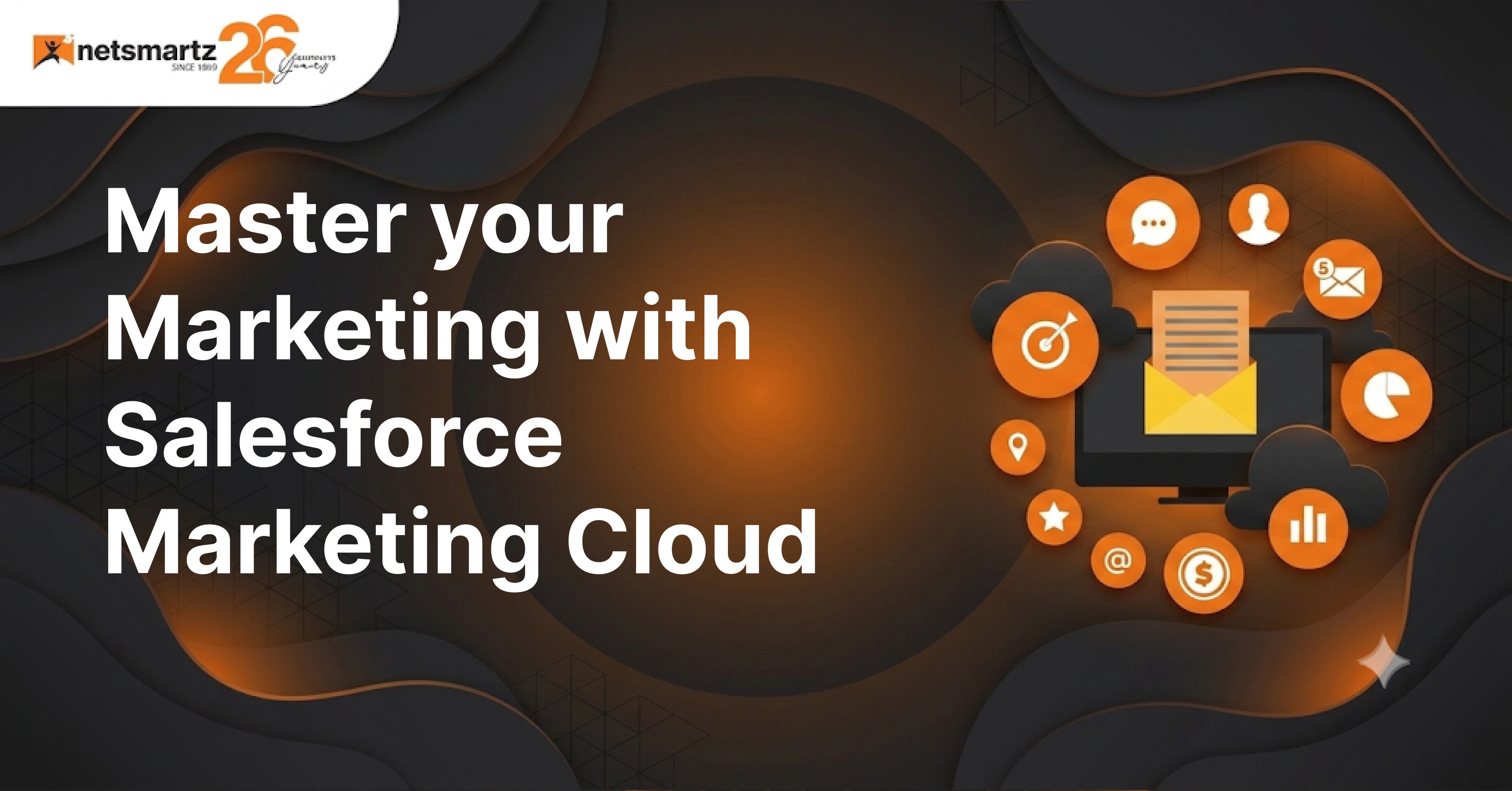
Most marketing teams end up with customer data scattered across email platforms, social channels, and a CRM that doesn't quite talk to any of them. Salesforce built Marketing Cloud to close that gap. One platform, and customers get reached wherever they actually show up, personalized down to the individual.
It didn't start out that way, though. Marketing Cloud began as ExactTarget, which was really just a personalized email tool. Salesforce bought it and kept building, adding mobile, social, advertising, and web, until it became the broader platform it is now. All of it sits on the same customer data, which is really the whole point. A lot of companies use it today to plan and run marketing across channels without juggling five different systems.
It's worth saying upfront: this isn't a small tool bolted onto Salesforce's CRM. It's a full platform in its own right, with its own set of studios, its own dashboards, and its own learning curve. Teams that get the most out of Marketing Cloud usually treat it as a strategic platform from day one, rather than expecting it to run itself. Working with Salesforce experts can help businesses configure the right journeys, integrations, and personalization strategies based on their goals.
So, what does that actually look like day to day? That's what this post gets into: what Marketing Cloud does, why it matters to your team, and the handful of features that do most of the work.
What Does Salesforce Marketing Cloud Do?
Think of it this way: you sketch out a customer's journey, first contact a loyal repeat buyer, and the platform runs it for you. Personalized emails, messages triggered by behavior, offers that show up at the right moment. You set the logic once, and it keeps working.
The interesting part is how it uses your CRM data to do that. Nobody wants the same generic email as everyone else on the list, and Marketing Cloud doesn't send one. It looks at what a customer's actually done — an abandoned cart, a support ticket, something they browsed but didn't buy — and shapes the next touchpoint around that. It's a small difference on paper, but it's the reason interactions end up feeling considered instead of automated.
Say someone adds a jacket to their cart and leaves without checking out. A generic setup might just fire off a discount code a week later, if anything. Marketing Cloud can trigger a reminder within a couple of hours, follow it with a review from other buyers a day later if there's still no purchase, and stop the sequence the moment they actually buy. None of that requires a marketer manually watching it. The journey logic just runs.
How Does Salesforce Marketing Cloud Help Businesses?
A few things tend to stand out once a team's been using it for a while.
Personalization is obvious, but it goes further than most people expect. A first-time visitor and a repeat buyer aren't getting off the same journey; they shouldn't be, and they aren't. Someone who's already bought twice might see a loyalty offer instead of an introductory discount, while someone who's never purchased gets a lighter-touch nudge instead. Then there's the data side. Instead of your team piecing together customer behavior from five different tools, Marketing Cloud pulls it into one dashboard, so you're looking at the fuller picture in one place.
That same data is what makes the messaging feel targeted rather than blasted out to everyone. Offers can be shaped around someone's interests, location, and past behavior, sent through whatever channel they actually check — email, text, social, whatever fits. And because it's all cloud-hosted, IT isn't managing extra servers just to keep campaigns running across channels at once.
There's also a practical upside that doesn't get talked about enough: less duplicated work. Without a shared platform, a team often ends up building a campaign three separate times — once for email, once for social, once for mobile — and hoping the messaging stays consistent across all three. With everything running off the same customer data, that consistency is more or less built in, so campaigns launch faster and don't drift apart from each other over time.
What Are the Key Features of Salesforce Marketing Cloud?
Salesforce Marketing Cloud helps businesses automate campaigns, personalize customer interactions, and manage marketing across multiple channels.
Feature 1: Journey Builder and Marketing Automation
- Journey Builder helps teams create automated customer journeys based on actions like website visits, purchases, and email engagement.
- Marketers can set triggers and workflows to deliver the right message at the right time without manual effort.
Feature 2: Personalization and Segmentation
- Businesses can segment audiences based on customer behavior, preferences, and purchase history.
- This helps teams deliver relevant messages instead of generic campaigns.
- Salesforce's State of Marketing research found that 83% of marketers recognize the shift toward personalized, two-way customer engagement, making customer data and journey orchestration essential for modern marketing.
Feature 3: Multi-Channel Campaign Management
- Marketing Cloud supports campaigns across:
- Email Studio for email marketing
- Mobile Studio for SMS and mobile messaging
- Social Studio for social engagement
- All channels work together using shared customer data for consistent experiences.
Feature 4: AI, Data, and Analytics
- AI-powered insights help marketers predict customer behavior and improve campaign targeting.
- A centralized customer data view helps teams personalize interactions across touchpoints.
- Reporting dashboards track metrics like engagement, conversions, and campaign performance.
"The real value here isn't any single feature — it's that everything runs off the same customer data and the same journey logic, no matter which channel someone's using."
Bottom Line
The real value here isn't any single feature; it's that everything runs off the same customer data and the same journey logic, no matter which channel someone's using. That consistency is what separates an actual relationship from a pile of one-off campaigns.
For teams still juggling channels separately, that's usually the real shift: going from five disconnected tools to one platform that already has a decent read on what the customer wants.
Ready to Transform Your Marketing Strategy?
Get a personalized look at how Salesforce Marketing Cloud can help you connect with customers and streamline your marketing efforts.
Frequently Asked Questions
ExactTarget. Salesforce acquired it and built it out into the broader Marketing Cloud product over time.
No, it covers email, mobile messaging, social, advertising, and web personalization, all pulling from the same customer data.
Not really. Segmentation is drag-and-drop, so marketing teams can build out groups without looping in engineering.
It's the part of Marketing Cloud where you map out each stage of a customer's journey and set what triggers a message at the right moment.
No. It's cloud-hosted, so IT isn't managing extra servers to keep it running.
Ready to build smarter? Let's talk.
Our experts are ready to help you turn ideas into production-ready AI, cloud and digital solutions.
Get In Touch →Let's Discuss Your Growth Strategy
Let's discuss how we can help you accelerate growth, improve efficiency, and drive real business outcomes.